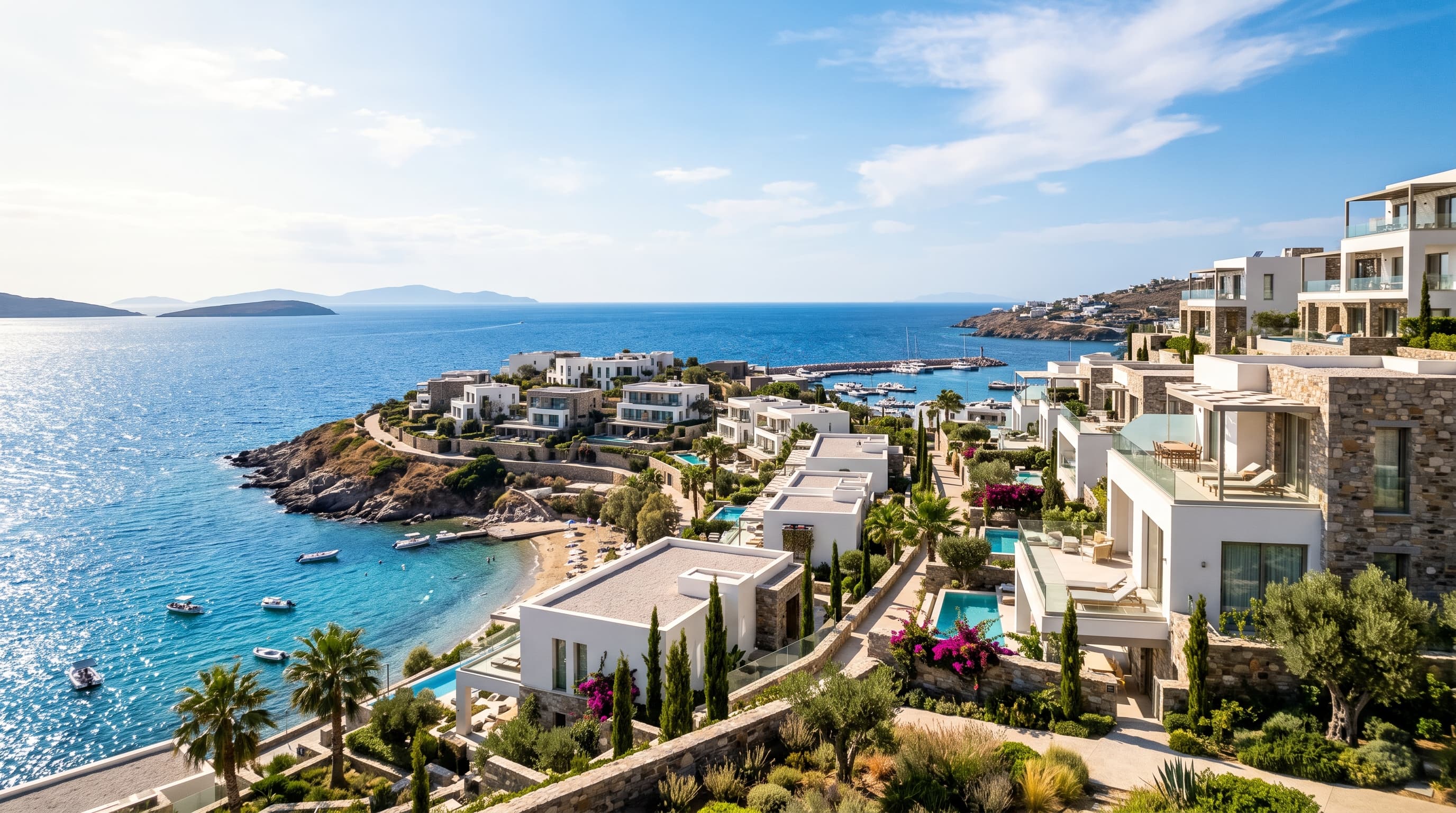
Reading a Greek Rental Yield Honestly
Gross yield is the number in the listing. Net yield is the number you live with. The gap is bigger than most brochures admit.
Sofia Alexiou

Gross is the easy part
Annual rent divided by purchase price. It ignores every cost of actually owning the thing, which is why it is the number that gets advertised.
What comes off it
- ENFIA: annual property tax.
- Income tax on the rent, from 15% up.
- Management: 15%–25% of gross for short-let, less for long-let.
- Building charges: communal fees, lift, cleaning.
- Vacancy: an island short-let can run 60% occupancy across the year, not 100%.
- Maintenance: assume something every year, because there is.
A 6% gross yield often lands somewhere near 3.5%–4.5% net. That's still a reasonable return, it just isn't 6%.
Short-let vs long-let
Short-let shows a higher gross and a much higher cost base and workload. Long-let shows a lower gross and behaves like a bond. Which is better depends on whether you want income or want to not think about it.
One question worth asking
Ask what the comparable achieved rents are, signed contracts in that building or street, not asking prices. Asking prices are an aspiration; achieved rents are a fact.
General guidance, not legal or tax advice. Rules change and every purchase differs, get a licensed Greek professional to confirm your own position.